
Two years after Brandon Boyd was killed by Long Beach police, his family's demands for justice remain unmet. Honoring his life requires more than remembrance. It requires systemic change.
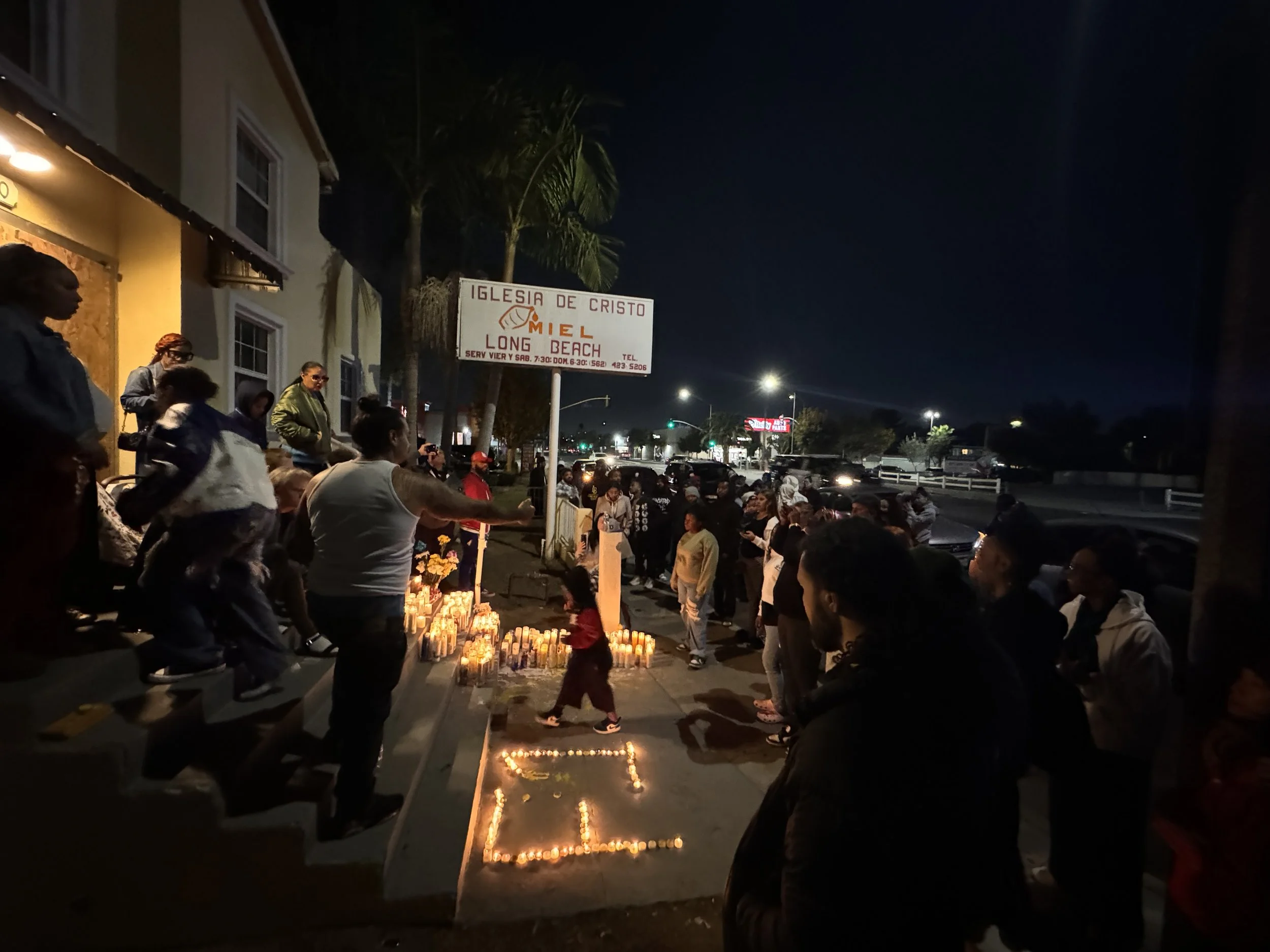
As families prepare to gather for Thanksgiving, we hold the Boyd family especially close to our hearts.
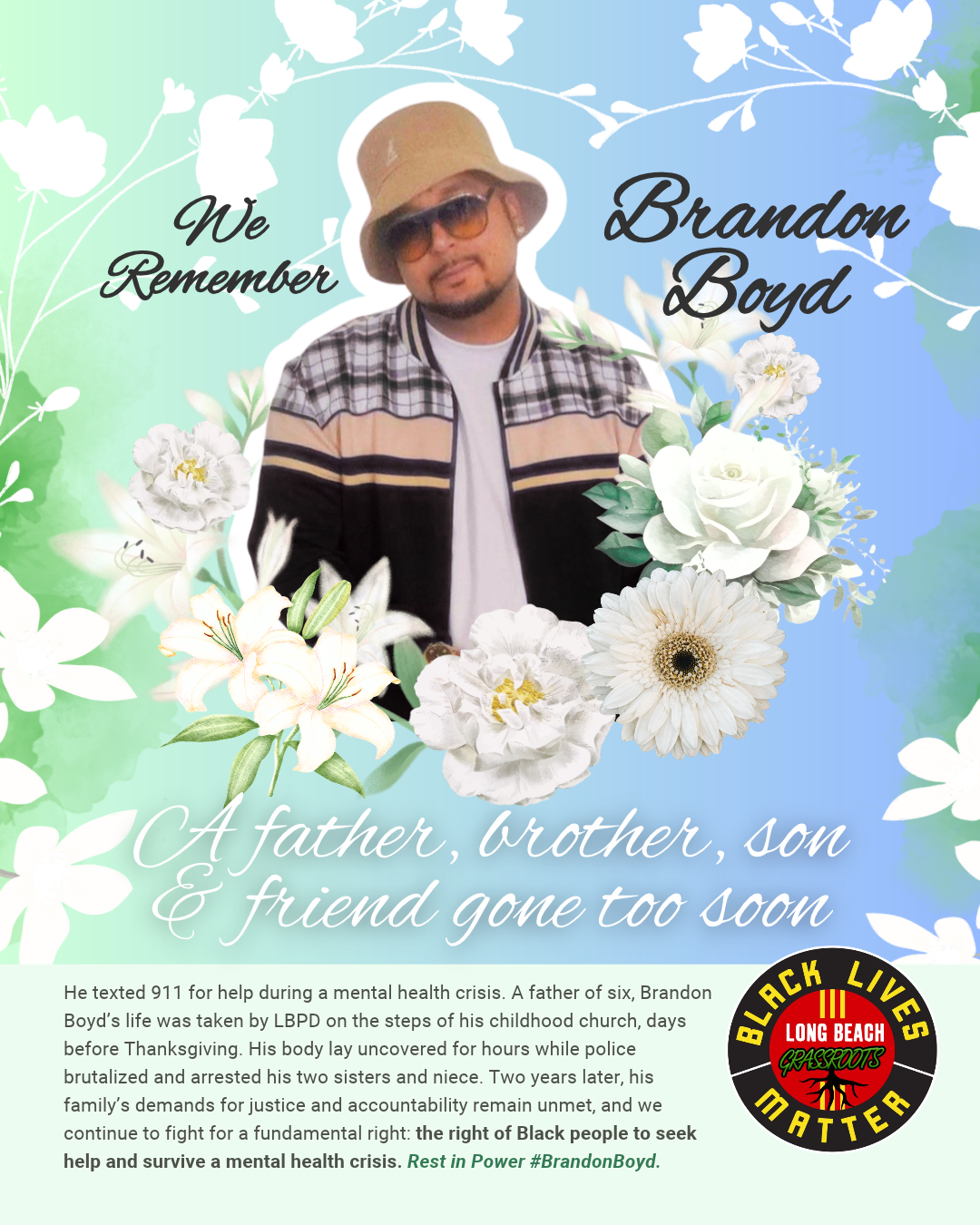
November 19, 2026, marked the second angelversary of Brandon Boyd, a beloved father of six, son, brother, uncle and community member whose life was taken by Long Beach police just days before Thanksgiving in 2024.
Brandon was experiencing a mental health crisis. He texted 911 seeking help and sought refuge on the steps of his childhood church. He deserved compassion, care, dignity and the opportunity to heal. Instead, his life was taken. His body lay uncovered for hours while we witnessed Long Beach police brutalize and arrested his two sisters and niece.
Brandon deserved to make it home. His children deserved to grow up with their father. His family deserved to spend another Thanksgiving with him.
Two years later, we have not forgotten.
Two Years Later: Where Is the Accountability?
In the weeks following Brandon's killing, his family, Black Lives Matter Grassroots Long Beach and community advocates called for justice, transparency, accountability and institutional change.
Two years later, the family's demands remain unmet. While the Long Beach Police Department released selected and edited video footage, the release fell short of the full transparency the family demanded.
Selective transparency is not accountability. Releasing footage does not absolve public institutions of their responsibility to answer difficult questions, acknowledge harm, address institutional failures and prevent future tragedies.
The Boyd family deserves answers. They deserve justice. They deserve the opportunity to grieve and heal without the additional burden of having to fight the very institutions entrusted with protecting their loved one.
Our community also deserves to know what has changed since Brandon's death. What policies have been reviewed? What practices have been reformed? What investments have been made? What mechanisms are in place to ensure that another family does not experience this devastating loss?
Black Mental Health Is a Racial Justice Issue
Black mental health is a public health issue. It is a racial justice issue. It is a public safety issue. It is a human rights issue.
We cannot meaningfully address Black mental health while ignoring systemic anti-Blackness, police violence, racial trauma, economic insecurity, housing instability, discrimination and the criminalization of mental illness.
Nor can we separate individual mental health from the collective trauma experienced by Black families and communities impacted by state-sanctioned violence.
When a Black person is killed after reaching out for help, the harm extends far beyond that individual. Children lose parents. Families lose loved ones. Communities experience grief, anger, fear and diminished trust in public institutions. Others experiencing mental health challenges may become reluctant to seek emergency assistance because they fear what could happen when help arrives.
Access to mental health care means little if people cannot safely access it.
Black people should never have to weigh the risk of being killed against the need to ask for help.
Mental Health Crises Do Not Have Business Hours
In March 2023, more than a year before Brandon was killed, Long Beach community advocates raised concerns about the limited operating hours, funding and accessibility of the City's Community Crisis Response Team (CCR).
The program, which emerged from the City's racial reconciliation efforts, was designed to provide a civilian, non-police response to eligible mental health-related emergency calls.
At the time, advocates called for a fully funded, citywide, 24/7 crisis response program, sustainable funding and greater investment in the Health Department and community-based alternatives to policing.
Nearly four years later, the Community Crisis Response Team still operates Monday through Friday, from 9 AM to 5 PM.
That amounts to just 40 of the 168 hours in a week, leaving 128 hours outside the team's regular operating schedule.
Mental health crises do not have business hours. Neither should our systems of care.
People experience crises at night, on weekends, during holidays and in the early hours of the morning. Families should not have to navigate different levels of access to emergency mental health support depending on the day of the week or the time of day.
Expanding the CCR team's hours is an important step, but hours alone are not enough. We must also examine emergency dispatch protocols, eligibility requirements, staffing, funding, geographic accessibility, racial equity, culturally affirming practices and the circumstances under which police are dispatched instead of mental health professionals.
While we cannot know whether an expanded CCR program would have changed the outcome for Brandon, we have a responsibility to examine every opportunity to prevent similar tragedies.
From Assessment to Action: Black Health Equity in Long Beach
Long Beach is at an important moment in its efforts to address racial and health inequities.
Through the 2025 Black Community Health Strengths and Needs Assessment (BCHSNA), the City's Health Department has engaged hundreds of Black residents in identifying community strengths, challenges, priorities and opportunities for change.
The assessment highlights significant concerns related to mental and emotional health, exposure to violence, discrimination, economic stability and housing insecurity.
These issues are deeply interconnected.
As Long Beach develops its community action plan in response to the assessment, we must ensure that anti-Blackness, violence, public safety, social cohesion and social connectedness are central considerations across every priority area.
Public safety must include safety from harm caused by public institutions. Violence prevention must include preventing state-sanctioned violence. Mental health strategies must address both individual and collective racial trauma. Efforts to strengthen social cohesion and connectedness must recognize the ways institutional harm erodes community trust, belonging and wellbeing.
The experiences of families like the Boyds must inform the city's policies, practices, investments and measures of success.
We cannot allow another community assessment to document disparities without confronting the institutional policies and practices that perpetuate them.
What Meaningful Change Must Look Like
Long Beach must move beyond awareness campaigns, listening sessions and declarations of commitment to racial and health equity. These efforts must translate into measurable systems change, sustained public investment and meaningful accountability.
Accessible and culturally affirming mental health care. Black residents across all ages, incomes, gender identities, sexual orientations, immigration status, and abilities deserve affordable, accessible mental health services that recognize their lived experiences, cultural identities and the impacts of systemic racism.
Fully funded, 24/7 non-police crisis response. Long Beach must invest in a permanent, citywide Community Crisis Response Team with adequate staffing, trained mental health professionals and peer support specialists who bring the expertise of lived experience.
Emergency response policy reform. The city must comprehensively review its 911 dispatch protocols, crisis response eligibility criteria, de-escalation practices and policies governing police interactions with people experiencing mental health crises.
Transparency and institutional accountability. Families and communities deserve timely access to information, independent reviews of crisis-related deaths and serious injuries, meaningful community oversight and enforceable corrective actions when institutional practices cause harm.
Measurable racial equity outcomes. The city must publicly report emergency response data, including racial disparities in dispatch decisions, access to non-police crisis response, use of force, referrals to care and crisis intervention outcomes.
Healing justice and collective care. Families and communities impacted by state-sanctioned violence deserve sustained access to culturally affirming grief support, trauma-informed services, peer support and community-based healing resources.
Investment in Black-led solutions. Black residents and Black-led organizations must have meaningful power in designing, implementing and evaluating the policies, programs and systems intended to support our health, safety and wellbeing. That participation must be backed by equitable and sustained funding.
Building Systems of Care, Not Harm
Public safety cannot be defined solely by policing, crime statistics or emergency response times. It must also be measured by whether people have stable housing, access to health care, economic security, supportive relationships, a sense of belonging and the freedom to live without fear.
It must include the ability to experience a mental health crisis and receive compassionate, appropriate care without being criminalized or losing one's life.
As we imagine the future we want for Long Beach, we must ask ourselves a difficult but necessary question:
What would have needed to be different about our city's policies, practices, investments and systems of care for Brandon Boyd to still be alive today?
The answer requires us to think beyond individual incidents and individual actors. It requires us to examine institutional structures, budget priorities, emergency response systems, systemic anti-Blackness and the distribution of power and resources within our city.
It requires us to be bold enough to imagine and build something different.
A city's commitment to Black health equity must be measured not only by the services it provides, but by the Black lives it protects and preserves.
The right to survive a mental health crisis must be central to any meaningful commitment to Black health equity.
Remembering Brandon. Continuing the Fight.
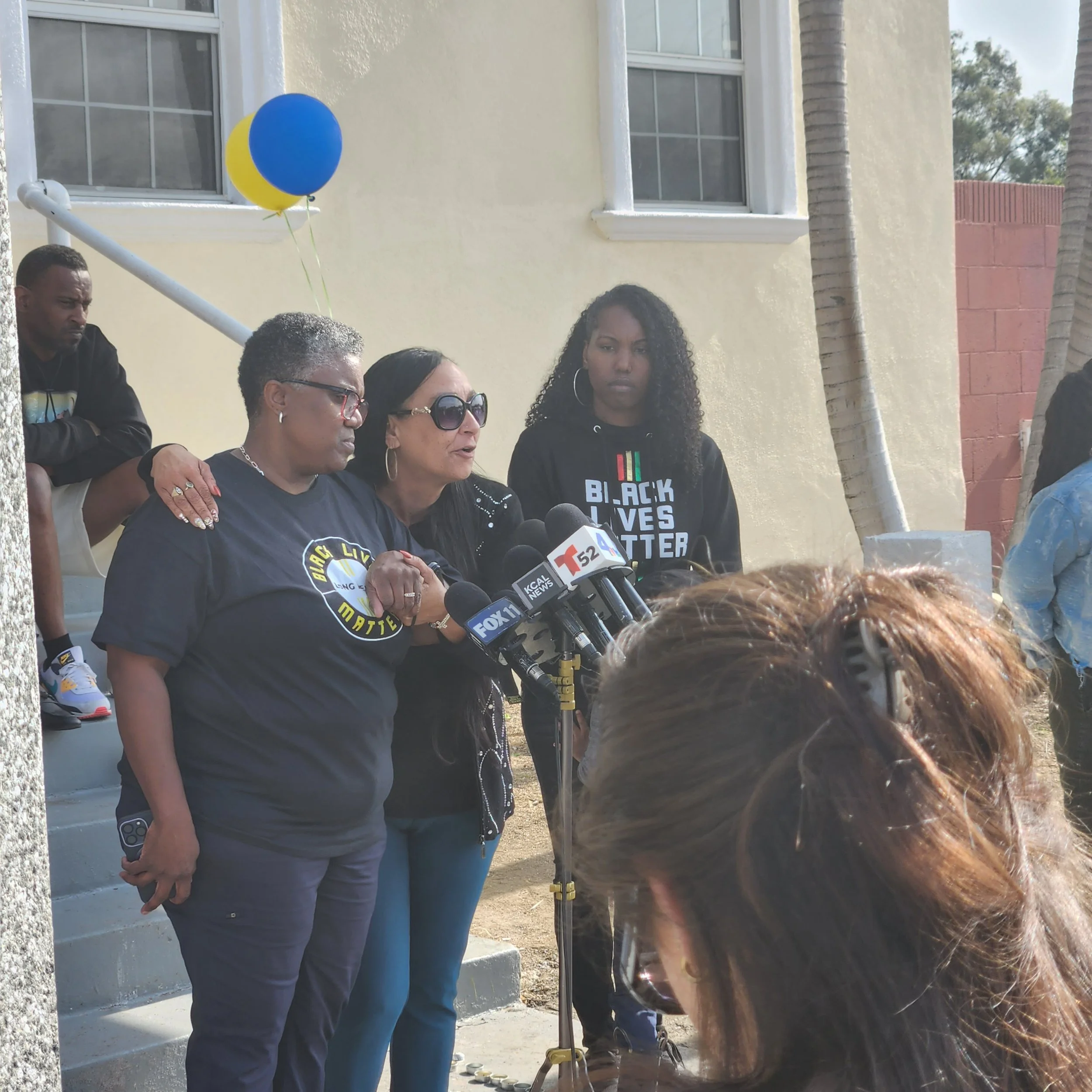
As we commemorate Brandon's second angelversary, we honor the fullness of his humanity. He was more than the circumstances of his death. He was a father, a son, a brother, an uncle, a loved one and a member of our community.
We stand in solidarity with the Boyd family and all Justice Families who continue to carry the devastating weight of state-sanctioned violence while fighting for accountability and change.
We reaffirm our commitment to building a Long Beach where Black people can seek help without fear, access the resources they need to heal, experience genuine safety and live with dignity.
Honoring Brandon means more than remembering his name. It means working to transform the systems that failed him.
We remember Brandon. We honor his life. We stand with his family. We continue to demand justice.
He asked for help. He should still be here.
Rest in Power, Brandon Boyd.
Learn More and Get Involved
Explore the Mental and Behavioral Health section of the State of Black LA County Report to learn more about racial disparities in mental health outcomes, barriers to culturally affirming care, and how anti-Black racism, criminalization and fear of police violence impact Black residents’ ability to safely seek mental health support.
Tell us what else you think should change to support our community.
#JusticeForBrandonBoyd #SayHisName #BlackMentalHealthMatters #BlackLivesMatter #BlackHealthEquity #HealingJustice #CareNotCriminalization #LongBeach #BrandonBoyd
